Lick mats and enrichment ideas for dogs and cats
How to use a lick mat, plus simple food, scent, scratching and climbing ideas.
Enrichment is anything that gives your pet’s mind, body and senses something to do: licking, chewing, sniffing, foraging, climbing and scratching. A lick mat is one of the easiest places to start. Spread part of your pet’s daily food over the textured surface and they’ll lick it off slowly, which gives them tactile, sensory stimulation. Rotate toys so they stay interesting, supervise new items, and make food enrichment part of your pet’s daily food allowance rather than extra on top.
Why enrichment matters
The RSPCA describes enrichment as mentally and physically stimulating activities that engage an animal’s mind, body and senses. A few points from its guidance stand out:
- Dogs are less likely to get bored with activities that involve chewing or feeding, such as puzzle feeders or toys filled with food.
- Introducing new scents, for example with snuffle mats or scented toys, has been shown to increase dogs’ engagement and reduce stress-related behaviours.
- Giving a dog the same toys every day is unlikely to help, because they get bored. Rotate them instead.
- Enrichment needs some thought. Done poorly, it can have no effect or even cause harm, for example if a dog swallows part of a toy.
Getting started with a lick mat
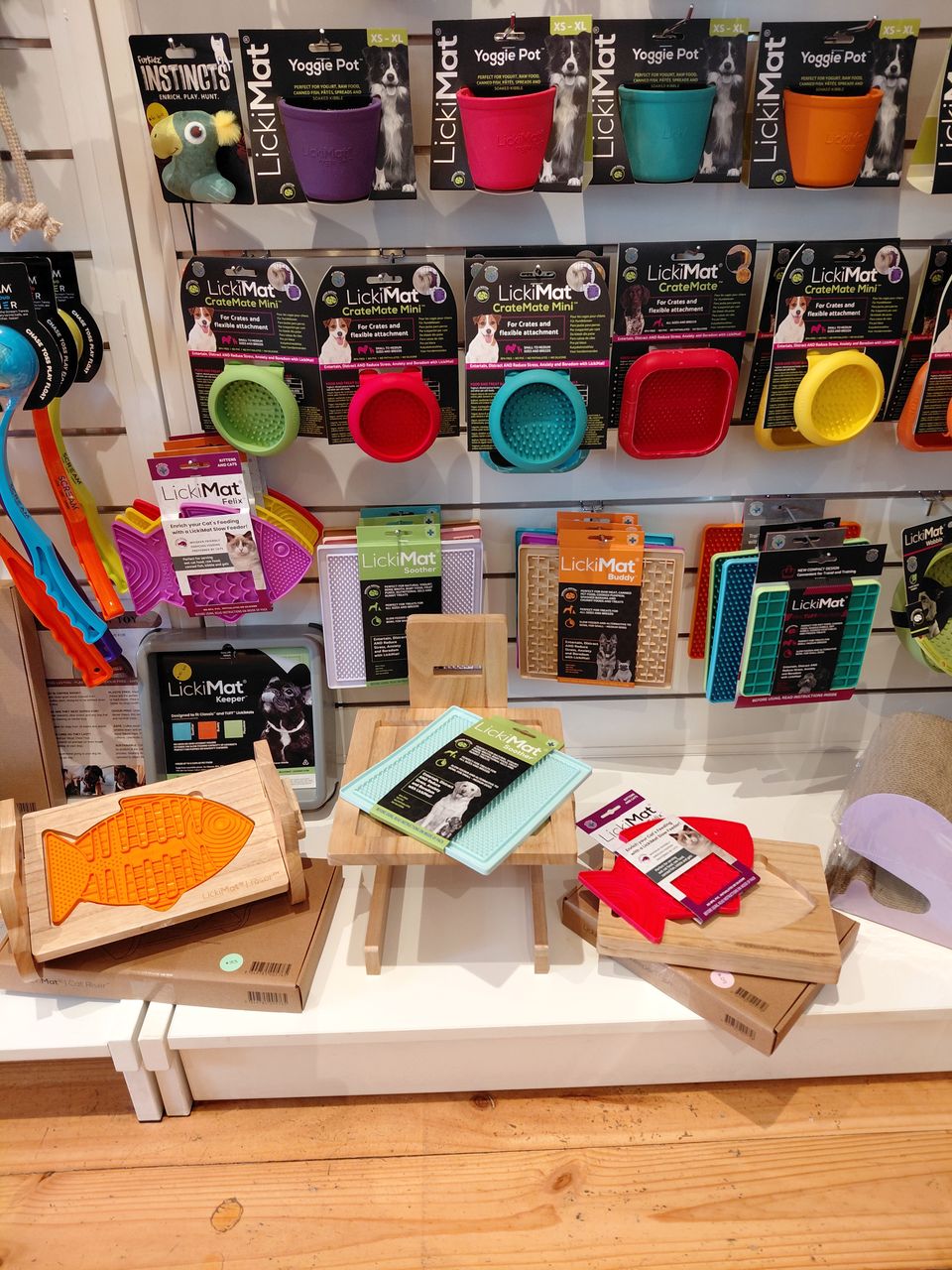
The RSPCA calls lick mats a simple way to provide sensory enrichment, with a variety of textures to work on. To get the most out of one:
- Use part of their usual food. The RSPCA says food enrichment should always come out of your pet’s daily food allowance, so take some of their regular meal rather than adding extra.
- Spread it thinly into the grooves so it takes longer to lick clean.
- Freeze it on warm days for a cooler, longer-lasting session.
- Use a holder. A wooden holder keeps the mat flat and stops it sliding around the floor.
- Supervise the first few goes, and wash the mat after each use.
Lick mat ideas: what to put on a lick mat
Keep it simple and stick to food your pet already eats. A few easy lick mat ideas:
- Their usual wet food, spread thinly into the grooves.
- Softened kibble. Soak some of their dry food in a little water and mash it into a paste.
- A small dab of something tasty. The RSPCA’s scent ideas for toys include a little fish, chicken, banana or boiled pumpkin, and the same small amounts work on a mat.
- Frozen for longer. Spread the mat, then freeze it for a cooler, slower session on hot days.
Avoid foods that are toxic to pets, such as chocolate, onion, grapes and anything sweetened with xylitol, and remember that whatever goes on the mat counts toward your pet’s daily food.
Lick mats for puppies
For a puppy, use part of their usual puppy food, keep sessions short, and stay close by while they learn to lick the mat rather than chew it. A lick mat can be a quiet activity for a puppy settling into a new home.
More enrichment ideas for dogs
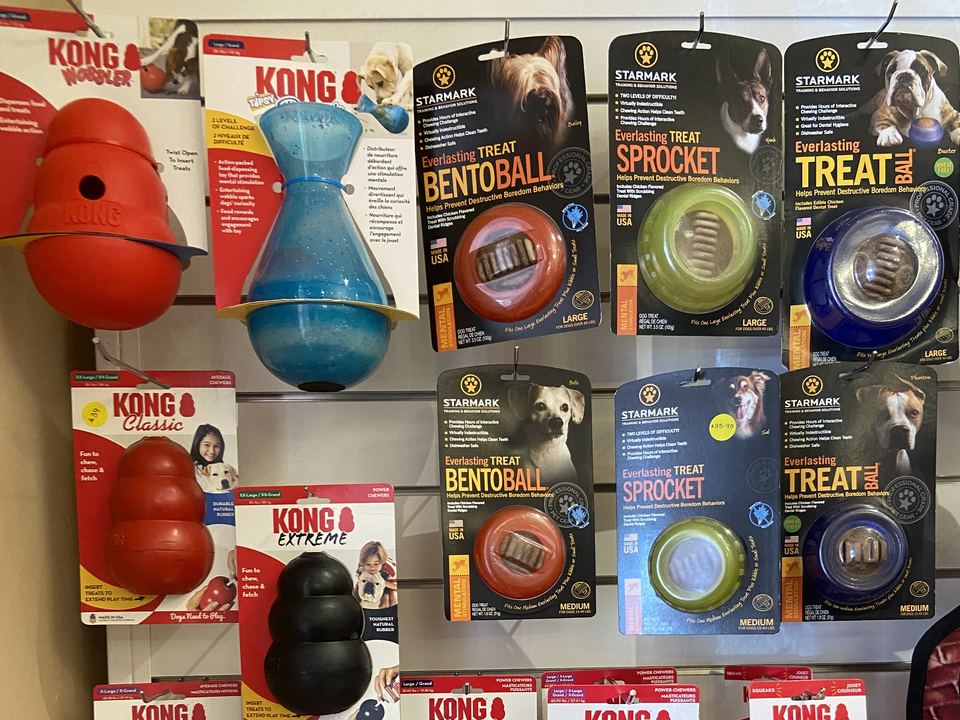
- Food puzzles and stuffable toys. Toys you can fill with part of your dog’s meal turn dinner into a job.
- A muffin-tin puzzle. The RSPCA suggests putting kibble or treats in the cups of a muffin tin and covering each with a ball (a ping pong ball for small dogs, a tennis ball for bigger dogs) for your dog to move.
- Scent games. Pets are more likely to engage with a toy that smells interesting. The RSPCA suggests rubbing a little fish, chicken, wet food, banana or boiled pumpkin onto a toy.
- Rotate the toy box. Put some toys away for a week and swap them back in so they feel new again.
Enrichment for cats
Cats need to climb and scratch. The RSPCA explains that cats scratch to maintain their claws, mark territory and let off steam. A good scratching post lets your cat stretch out fully and is sturdy enough to lean against, and cats differ in whether they like vertical posts or flat, horizontal scratchers. If you have more than one cat, provide at least one scratching post each. Setting up for a new cat? Our guide to the types of cat litter covers trays too.
- Toilet-roll puzzle. The RSPCA suggests cutting small holes in a cardboard roll, folding and taping one end, and filling it with a little kibble or treats.
- Catnip or silvervine sticks can make a toy far more interesting.
- Lick mats for cats work just like they do for dogs, using part of your cat’s usual food.
Safety first
The RSPCA recommends supervising pets with enrichment, especially when you introduce new items, DIY or soft toys, rope or string toys, chew toys, or anything with small parts. Check toys regularly and replace them when they start to fall apart.

Enrichment in store
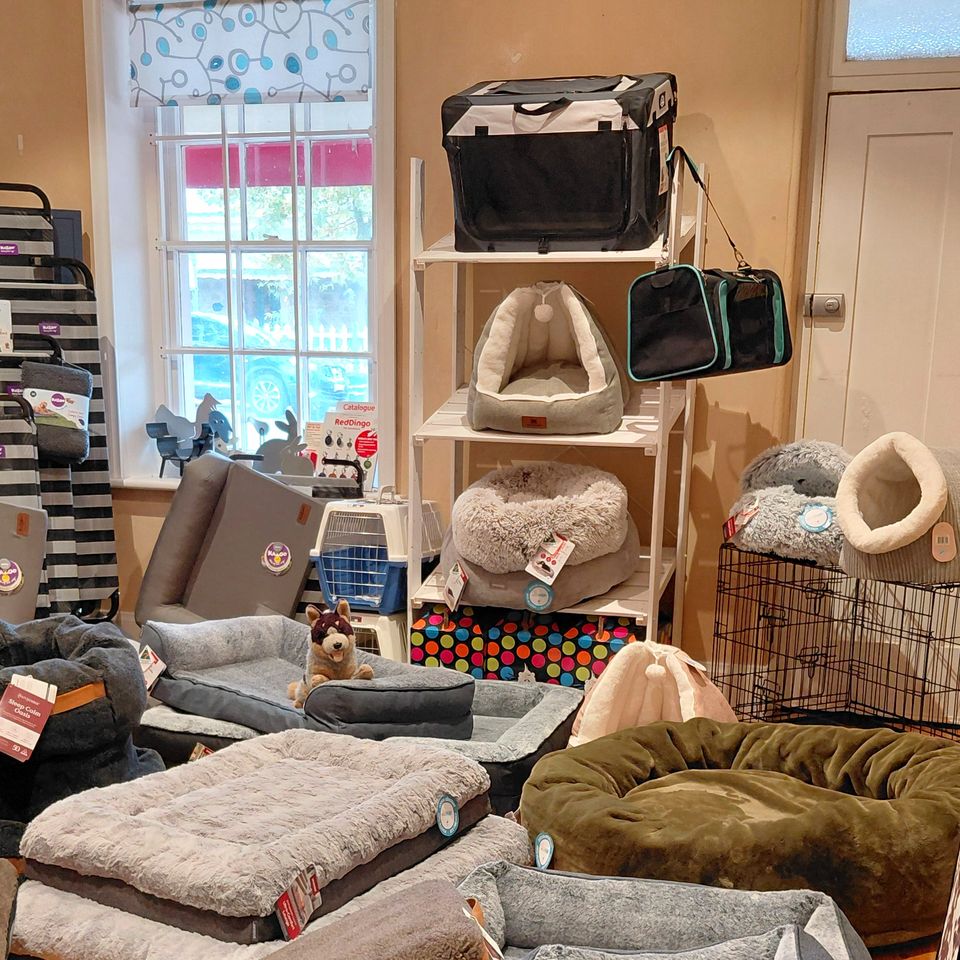
Our Enrichment range includes LickiMat for cats and dogs with wooden holders, plus Pablo & Co, Kong, Outward Hound and Starmark. For cats, see our scratchers and towers from Kazoo, Allpet and Cattitude, and toys from Rienna Designs and Tara Treasures. Drop into your local pet shop at 24 Murray Street, Angaston, or call 0468 378 344.
Common questions
Are lick mats good for dogs?
The RSPCA describes lick mats as a simple way to provide sensory enrichment, with different textures to work on. Use part of your dog’s daily food and supervise the first few sessions.
What can I put on a lick mat?
Use part of your pet’s regular meal, such as their usual wet food, rather than extra food. The RSPCA says food enrichment should always come out of the daily food allowance.
How many scratching posts does my cat need?
The RSPCA recommends at least one scratching post per cat, tall and sturdy enough for your cat to fully stretch and lean against.
How do I stop my dog getting bored with toys?
Rotate them. The RSPCA notes that giving a dog the same toys every day is unlikely to help because they get bored. Food puzzles and scent games add variety.
How do lick mats help dogs?
Licking food out of the textured grooves gives dogs sensory enrichment and turns part of a meal into a slower activity. The RSPCA describes lick mats as a simple way to provide sensory enrichment.
What can I put on a puppy’s lick mat?
Part of their usual puppy food, such as wet food or softened kibble. Keep sessions short and supervised, and avoid foods that are toxic to pets.
Can cats use lick mats?
Yes. Lick mats work for cats just as they do for dogs, using part of your cat’s usual food. LickiMat makes mats for both cats and dogs.