Flea, tick and worming basics for dogs and cats
How fleas spread, why the label matters, ticks in South Australia, and when to ask your vet.
Most dogs and cats need ongoing protection from fleas and intestinal worms, and dogs may also need heartworm and tick protection depending on where they live and travel. There isn’t one schedule that suits every pet: the right product, and how often you give it, depends on your pet’s species, age, weight and lifestyle.
Fleas: treat the pet and the house
The RSPCA explains that adult fleas live on your pet, feed on blood and lay eggs in the fur. Those eggs fall off into bedding, carpets, under furniture, under the house and into the soil, and the eggs, larvae and pupae can survive there for weeks to months. That’s why a flea problem can keep coming back after you’ve treated your pet.
The cat flea is the most common flea on companion animals, and it happily lives on dogs too. Flea bites are itchy and painful and can lead to skin damage and allergies, and in very young or old animals a heavy infestation can cause anaemia.
The RSPCA’s advice for getting on top of fleas:
- Treat every pet in the household with a product that suits each animal, not just the one that’s scratching.
- Clean weekly until the infestation clears: vacuum floors and furniture, wash bedding at a high temperature, and treat outdoor kennels, runs or enclosures.
- Come in to For Pets Sake and we'll help you find the product that best suits your pet.
Never use dog flea products on cats
This one is worth repeating. The RSPCA warns that flea products designed for dogs can be fatal if given to cats. Always check the label for the species and weight range, and if you have dogs and cats at home, keep their treatments separate.
Worms and heartworm
Intestinal worms often don’t show obvious signs, so worming works best as a regular routine rather than something you do when you spot a problem. Puppies and kittens are generally wormed more often than adult pets, and the interval depends on the product, so read the label and ask your vet for a schedule that suits your pet’s age and lifestyle. The RSPCA recommends at least yearly vet visits for vaccinations and health checks, and your vet can advise on flea, tick and worm prevention at the same visit. Bringing home a new puppy or kitten? Our guide to registering your dog or cat on Dogs and Cats Online covers microchipping and desexing too.
Heartworm is different from intestinal worms. It’s spread by mosquitoes and lives in the heart, lungs and the blood vessels around them, where it can cause severe disease. Combination products differ in what they cover, so check whether the product you’re using includes heartworm, intestinal worms, tapeworm, fleas and ticks, and ask your vet if you’re unsure.
Ticks in South Australia
The paralysis tick is the one most people worry about. The RSPCA says it’s generally found on the eastern seaboard, from North Queensland down to Victoria, so it’s mainly a concern if you travel east with your dog. Signs of tick paralysis include wobbliness or weakness in the back legs, a change in voice, coughing, drooling and breathing trouble. If you see any of these, or find a tick, remove it and get to a vet immediately.
The brown dog tick can carry ehrlichiosis, a serious disease of dogs. The RSPCA notes that infected ticks and dogs have been found in the Far North region of South Australia. If you’re heading north or interstate with your dog, book a vet check before you go to talk about tick control, worming and heartworm prevention, and check your dog for ticks every day while you’re away.
Our flea and worming range, plus free months
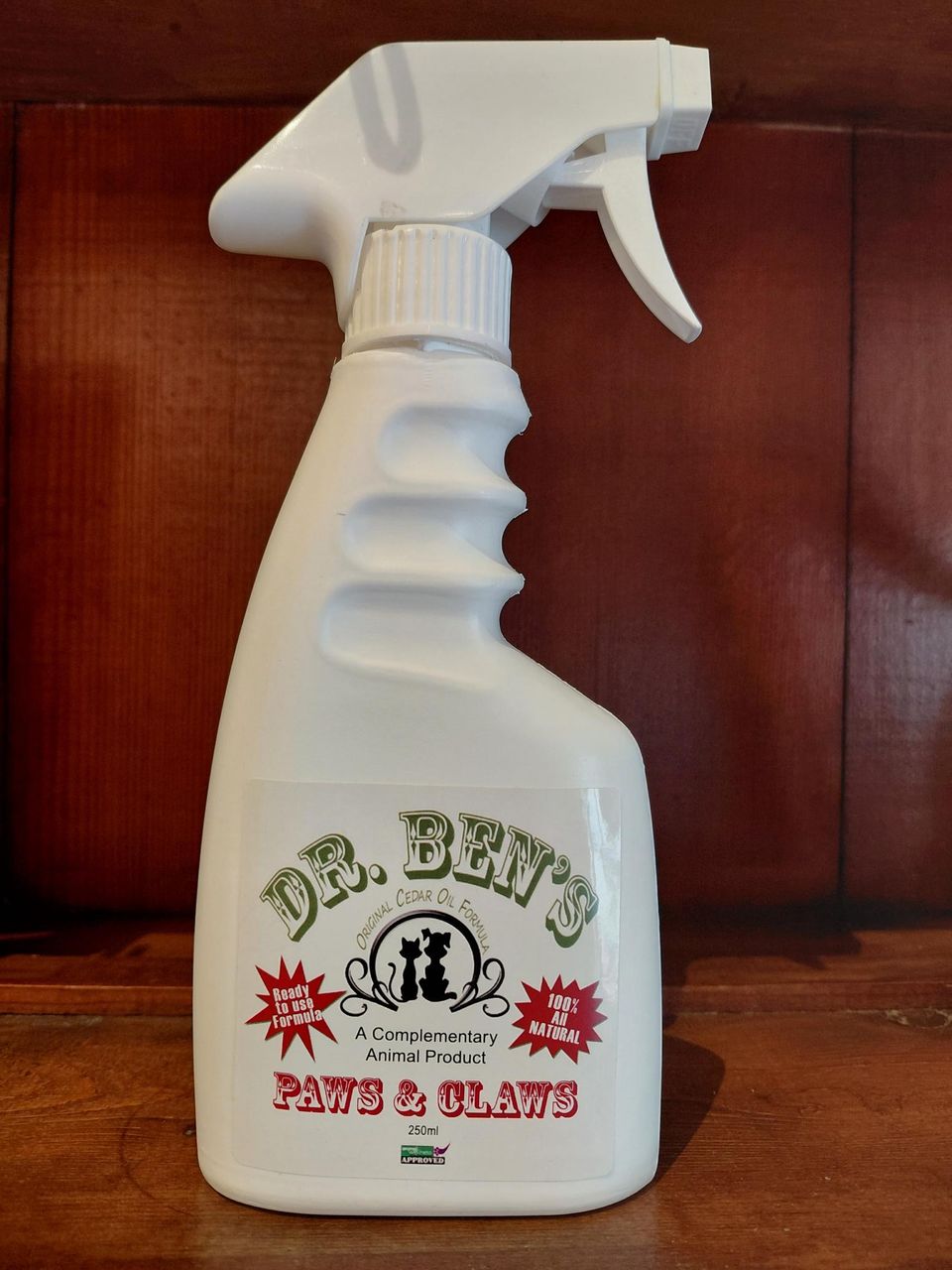
In the Fleas & Worms section of our Barossa Valley pet store you’ll find Simparica Trio, Simparica, Moxiclear spot-on, Revolution, Revolution Plus, Endogard, Paragard, Milpro, Aristopet Flea Powder and Dr Ben’s Paws & Claws Cedar Oil.
Our flea and worming loyalty program covers participating brands, including Simparica Trio, Simparica, Revolution and Revolution Plus: buy 3 months, get 1 month free, or buy 6 months, get 2 months free. Not sure which product you need? Bring your pet’s weight and your vet’s advice in, or call 0468 378 344.
Common questions
How often should I worm my dog?
It depends on your dog’s age, lifestyle and the product you use. Puppies are generally wormed more often than adult dogs. Follow the product label and ask your vet for a schedule that suits your dog.
Can I use my dog’s flea treatment on my cat?
No. The RSPCA warns that flea products designed for dogs can be fatal to cats. Always use a product labelled for cats, at the right weight range.
Are paralysis ticks found in the Barossa?
The RSPCA describes the paralysis tick as generally found on the eastern seaboard, from North Queensland to Victoria, so it is mainly a concern if you travel east with your dog. Ask your vet about tick risks before any trip.
Do you have a loyalty program for flea and worming products?
Yes. On participating brands, including Simparica Trio, Simparica, Revolution and Revolution Plus, buy 3 months and get 1 month free, or buy 6 months and get 2 months free.
This is general information only, not veterinary advice. If you’re worried about your pet’s health, please see your vet.