Dog dental care: brushing, dental chews and vet checks
How to clean your dog’s teeth at home, where dental chews fit in, and why the yearly vet check matters.
Good dog dental care comes down to three things: brushing your dog’s teeth at home, using dental chews, toys or diets to help control plaque and tartar, and a vet check at least once a year that includes the teeth. The RSPCA says brushing is the most effective thing you can do at home, using pet toothpaste on a soft cloth, never human toothpaste. Dental chews are a helpful extra, not a replacement for brushing or your vet.
Why your dog’s teeth matter
According to RSPCA Australia, dental disease is the most common health condition affecting pets, with around 80% of dogs and 70% of cats showing some level of dental disease by the time they’re three years old. It can cause significant pain and, if it advances, tooth and gum infection, inflammation, and bone and tooth loss.
Dogs get the same kinds of problems we do:
- Plaque, a soft, sticky layer of bacteria that can damage the tooth.
- Tartar (calculus), minerals that harden onto the enamel. Left long enough, it can only be removed with a professional clean.
- Gingivitis, which is inflammation and swelling of the gums.
The good news is that a few minutes of care at home makes a real difference, and it’s much easier to prevent these problems than to fix them later.
How to clean your dog’s teeth at home
The RSPCA’s advice may surprise a few people: the most effective thing you can do at home is brush your dog’s teeth. Most animals get used to it with a bit of patience. Here’s the method it recommends:
- Use pet toothpaste, never human toothpaste, which can upset your dog’s stomach.
- Squeeze a little onto a microfibre cloth that you keep only for this job, and wash or replace it as needed.
- Gently rub it over every tooth.
- Build up slowly. The younger your dog is when you start, the easier it is, and with an older dog it’s worth introducing brushing gradually.
Keep the first few sessions short and finish on a good note. Your vet can give you advice for your particular dog, especially if they have sore teeth or don’t like their mouth being handled.
Where dental chews, toys and diets fit in
RSPCA Australia says special dental diets, dental chews and toys can help control plaque and tartar, and that your vet can advise which products are most effective for your dog. The RSPCA Knowledgebase also describes dental chews as a good alternative to bones if you want to give your dog something that keeps them entertained and helps with teeth cleaning.
If you’d like an independent check on a product, the RSPCA points to the Veterinary Oral Health Council, which lists dental products that meet its standards for safety and for reducing plaque or tartar. Greenies, one of the brands we stock, is on that list.
A few practical tips when you’re choosing a chew:
- Pick a size that suits your dog, and ask us if you’re unsure.
- Count chews as part of your dog’s daily food, not extra on top.
- Watch your dog the first few times they have a new chew, so you know how they handle it.
What about bones?
Plenty of people grew up giving the dog a bone, so it’s worth knowing what the RSPCA says now. Its feeding guide says bones and raw meat are not recommended, because they can break teeth and cause internal blockages, and raw bones carry bacteria that can make both animals and people ill. If you do choose to offer bones, they should always be raw, introduced gradually and human-grade. Cooked bones should never be fed. With so many dental chews available, a bone isn’t necessary for clean teeth.
Book a dental check with your vet
Home care doesn’t replace professional care. The RSPCA recommends a general health check with your vet at least once a year, which includes a look at the teeth and gums. Your vet may recommend a full dental examination and clean under general anaesthetic, with dental x-rays if needed, and treatment for any damaged teeth. If something about your dog’s mouth or eating worries you, book in with your vet rather than waiting for the yearly check. We’re a pet supplies shop, not a vet clinic, so for anything health-related your vet is the right person to ask.
Don’t forget the cats
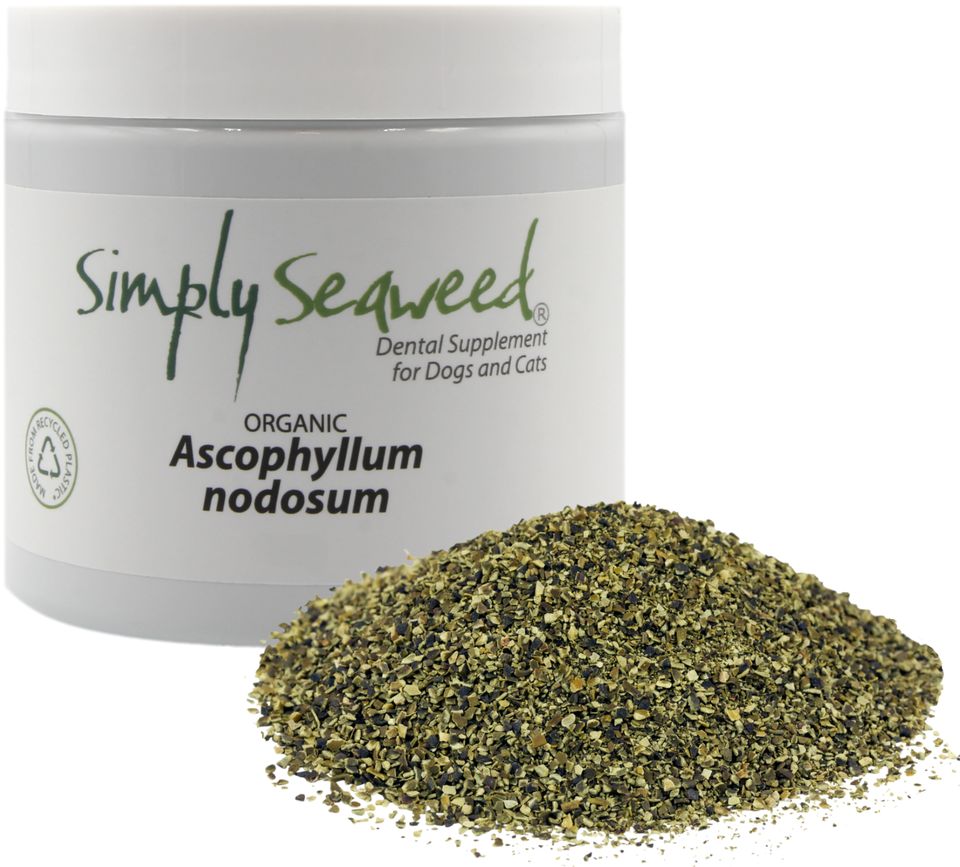
Cats need dental care too, and the same RSPCA advice applies: pet toothpaste on a soft cloth, introduced gradually, plus regular vet checks. Some products in our dental range, such as Simply Seaweed, are made for both dogs and cats.
Dental care from our Angaston shop
Our dental range includes Greenies, Whimzees, Simply Seaweed, Marrowz beef collagen marrow chews, yak chews, Good Country Hemp Discs, Denta Sponge, Our Dogs Life, Huds & Toke and coffee wood chews. You’ll also find natural chews in bulk on our treats and special orders page. Come and see us at our Barossa pet shop, 24 Murray Street, Angaston, call 0468 378 344, or send an order enquiry.
Common questions
How do I clean my dog’s teeth at home?
The RSPCA recommends squeezing pet toothpaste onto a microfibre cloth kept only for this job and gently rubbing it over every tooth. Never use human toothpaste, which can upset your dog’s stomach, and introduce brushing gradually.
Do dental chews work for dogs?
RSPCA Australia says dental chews, toys and special dental diets can help control plaque and tartar. They are an extra, not a replacement for brushing and yearly vet checks. The Veterinary Oral Health Council lists products that meet its standards for reducing plaque or tartar.
Are bones good for my dog’s teeth?
The RSPCA does not recommend bones, because they can break teeth and cause internal blockages, and raw bones carry bacteria. If you do offer bones they should always be raw, human-grade and introduced gradually. Never feed cooked bones.
How often should my dog have a dental check?
The RSPCA recommends a general health examination with your vet at least once a year, which includes a dental check-up. See your vet sooner if you notice anything that worries you.
This is general information only, not veterinary advice. If you’re worried about your pet’s health, please see your vet.